
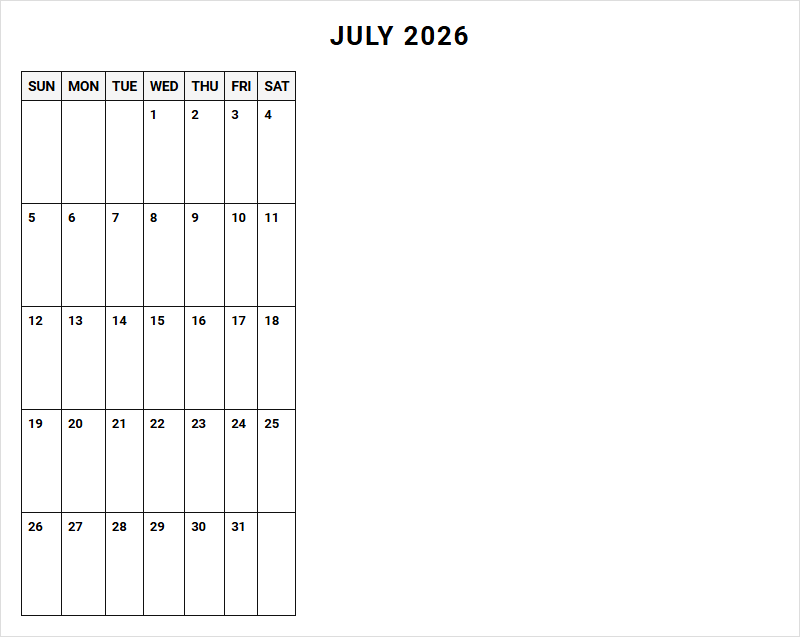
Managing a modern household often feels like a chaotic juggling act. While families frequently rely on scattered digital apps and school flyers to coordinate schedules, these disjointed methods often lead to missed commitments. Transitioning to a physical yearly printable calendar grants immediate, household-wide visibility. To succeed, however, this tool stipulates a central location where everyone actively contributes. By mapping out major commitments-such as soccer tournaments and music recitals-on a single page, families foster better coordination. Below, we explore the best printable layouts to streamline your family's annual planning.
Create Your Family Activity Calendar
Done customizing?
Family Activity Calendar - Good to Know
Shared family calendar
A shared family calendar serves as the central nervous system for modern household coordination. By consolidating everyone's schedules into a single, accessible digital interface, families can effortlessly prevent double-bookings and scheduling conflicts. Whether managing work meetings, dentist appointments, or weekend getaways, this tool ensures that every family member remains on the same page in real-time.
Implementing a collaborative scheduling system offers several immediate benefits for busy households:
- Instant updates: Real-time synchronization ensures that when plans change, everyone is notified immediately.
- Improved communication: Reduces the constant back-and-forth texting about who needs to be where and when.
- Increased accountability: Teenagers and older children can take ownership of their own schedules and commitments.
By shifting from paper planners to a dynamic digital calendar, families cultivate a more synchronized, stress-free daily routine where no event or obligation accidentally slips through the cracks.
Digital family hub
A digital family hub acts as a comprehensive command center that goes far beyond simple date-keeping. It serves as a secure, centralized repository for vital household information, ranging from emergency contact numbers and grocery lists to digital storage for school permission slips and medical records. This holistic platform ensures that important documents are instantly accessible to all family members at any time, from any device.
To maximize the utility of your digital hub, consider integrating the following key components:
- Shared document vault: Store digital copies of passports, immunization records, and insurance policies securely.
- Interactive message boards: Leave virtual sticky notes, daily words of encouragement, or quick reminders for one another.
- Integrated contact lists: Keep a shared directory of neighbors, pediatricians, babysitters, and utility services.
Embracing a unified hub streamlines daily administrative tasks, minimizing the mental load of managing a busy modern household.
Co-parenting schedule sync
Navigating the complexities of dual-household parenting demands absolute clarity, empathy, and organization. A dedicated co-parenting schedule sync tool is designed specifically to mitigate friction and foster seamless collaboration between separated or divorced parents. By establishing a single source of truth for custody rotations, holiday schedules, and extracurricular activities, both parents can coordinate with confidence and consistency.
Using specialized synchronization features helps prioritize the children's well-being through structured communication tools:
- Custody tracking: Visually map out complex custody schedules, tracking swaps, transitions, and holiday variations clearly.
- Expense loggers: Document shared child-related expenses transparently, attaching receipts to prevent financial misunderstandings.
- Shared parenting logs: Pass along vital notes regarding the child's health, behavior, or developmental milestones.
This organized, objective framework reduces unnecessary direct conflict, ensuring that both parents remain active, informed participants in their children's daily lives and long-term milestones.
Color-coded family organizer
Visual organization is a powerful psychological tool for managing cognitive load, and a color-coded family organizer utilizes this concept perfectly. By assigning a distinct, signature color to each member of the household, anyone can glance at the schedule and instantly identify who is doing what, where, and when. This simple visual cue dramatically speeds up information processing, making schedule digestion instantaneous.
To implement an effective color-coded system across your household platforms, follow these guidelines:
- Select distinct hues: Choose highly contrasting colors for each family member to prevent visual confusion on small screens.
- Define universal categories: Assign neutral colors like gray or black for shared family events or whole-house tasks.
- Maintain consistency: Use the exact same color scheme across physical whiteboards, digital apps, and paper folders.
This intuitive system empowers even young children, who may not yet read fluently, to recognize their daily routines and participate actively in family life.
Smart wall calendar
Bridging the gap between tactile physical organization and modern convenience, a smart wall calendar is a game-changer for high-traffic household areas. Typically utilizing large, low-glare touchscreens or elegant electronic ink displays, these devices hang prominently in kitchens or entryways. They display synchronized digital schedules, weather forecasts, and daily to-do lists in a beautiful, always-on format that everyone can see.
Integrating a smart display into your home environment provides unique functional advantages:
- Passive viewing: Family members digest the day's schedule naturally as they walk through the kitchen, without opening apps.
- Hands-free convenience: Voice-assistant integration allows busy parents to add events or edit lists while cooking or cleaning.
- Aesthetic customization: Display family photos, artistic backgrounds, or personalized widgets when the calendar is not actively in use.
This modern focal point ensures that technology serves the family unit collectively, keeping everyone grounded and informed throughout the busy workweek.
Family command center
A well-designed family command center serves as the physical anchor for household logistics and daily transitions. Located strategically in a high-traffic area like a mudroom or hallway, this space combines digital screens, physical storage cubbies, mail organizers, and key hooks. It acts as the ultimate filter for the daily influx of paper, gear, and information that enters the home.
To build a highly functional command center, ensure it includes these essential zones:
- The Inbox: A designated tray or slot where kids place permission slips, report cards, and physical mail immediately upon entering.
- The Charging Station: A centralized dock to charge phones, tablets, and school devices overnight, keeping screens out of bedrooms.
- The Action Zone: Dedicated space for active items, including labeled hooks for backpacks, sports gear, and keys.
Organizing physical belongings alongside digital schedules creates a harmonious environment, drastically reducing chaotic morning rushes and misplaced items.
Meal planning tracker
Fostering healthy eating habits while staying within a budget requires careful organization, which is where a meal planning tracker becomes indispensable. This specialized tool allows families to plan weekly menus, catalog favorite recipes, and generate automated shopping lists simultaneously. By planning meals in advance, households drastically reduce food waste, save money on last-minute takeout, and streamline the grocery shopping experience.
A comprehensive meal tracker elevates your kitchen operations through several integrated features:
- Pantry inventory: Keep track of staple ingredients already in stock to avoid duplicate purchases at the store.
- Dietary tag tracking: Easily label recipes for food allergies, preferences, or specific nutritional goals.
- Collaborative input: Allow family members to submit meal requests directly to the planner, encouraging picky eaters to participate.
Transforming the daily question of "what's for dinner" into a structured, visible plan reduces evening stress and promotes wholesome, collaborative cooking habits.
Chore chart integration
Teaching responsibility and maintaining a clean home is far simpler with a modern chore chart integration system. Moving away from easily ignored paper charts, digital chore tracking gamifies household contributions, turning daily responsibilities into engaging tasks. Parents can easily assign age-appropriate chores, set recurring schedules, track completion status, and manage allowance or reward points seamlessly within the family's shared digital ecosystem.
Successful chore integration relies on clear expectations and positive reinforcement mechanisms:
- Photo verification: Require children to upload a quick photo of their completed task, ensuring quality work.
- Automated reminders: Gentle, non-nagging push notifications remind kids to complete tasks before screen time.
- Reward point systems: Let kids accumulate points toward customizable privileges, fun family outings, or financial allowances.
Distributing household duties fairly fosters a sense of teamwork, ensuring children learn valuable life skills while contributing to the household's overall harmony.
School schedule synchronization
The academic year introduces a chaotic deluge of parent-teacher conferences, field trips, spirit weeks, and holiday breaks. School schedule synchronization integrates external school calendars directly into your personal digital planning system. By subscribing to classroom feeds, district portals, or sports team schedules, parents can instantly view academic deadlines alongside their everyday personal commitments.
Automating your school scheduling integration protects your family from unexpected schedule surprises:
- Direct feed integration: Sync school calendars via iCal or Google Calendar formats for effortless automatic updates.
- Assignment tracking: Monitor major project deadlines and exam dates to help children manage their study time effectively.
- Volunteer coordination: Track classroom volunteer shifts, PTA meetings, and extracurricular booster club duties clearly.
Staying proactively aligned with academic calendars ensures your student receives the structural support they need to thrive academically throughout the entire school year.
Kid activity tracker
Between soccer practices, music lessons, dance recitals, and playdates, keeping up with children's active social lives can be exhausting. A dedicated kid activity tracker categorizes and manages all youth-centric commitments in one accessible space. This tool helps parents map out complex carpool arrangements, coordinate snack duties, and track equipment requirements for various seasonal sports and activities.
To keep youth sports and hobbies running smoothly, utilize these tailored tracking features:
- Equipment checklists: Attach specific gear lists to recurring events so kids pack everything they need.
- Carpool coordination: Share transport duties with neighboring families, clearly designating pick-up and drop-off responsibilities.
- Coach contacts: Store coach emails, team roster details, and practice location maps directly within the event details.
Keeping a close eye on busy extracurricular logistics prevents burnout for both parents and children, ensuring that playtime and developmental activities remain joyful.
Leave a comment