
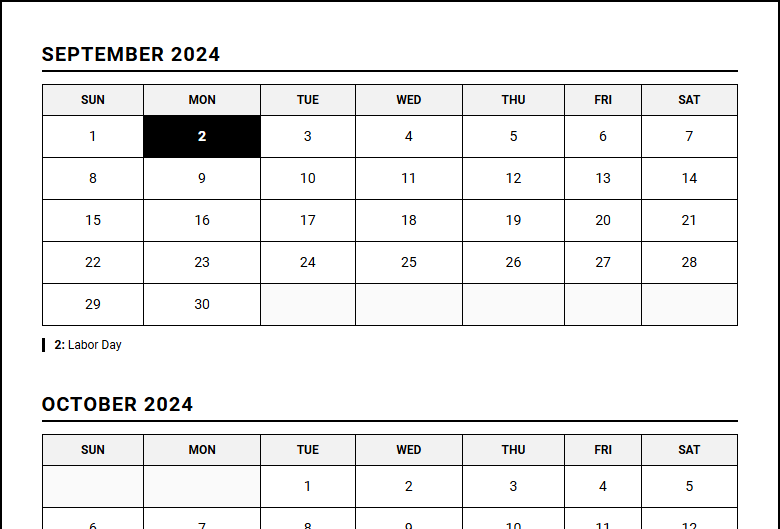
Managing shifting school holidays often leaves educators and parents overwhelmed by scheduling conflicts. While districts rely on standard funding sources to secure basic administrative databases, these systems rarely offer clear, public-facing schedules. A printable Academic Calendar with School Holidays solves this, granting stakeholders immediate visual alignment.
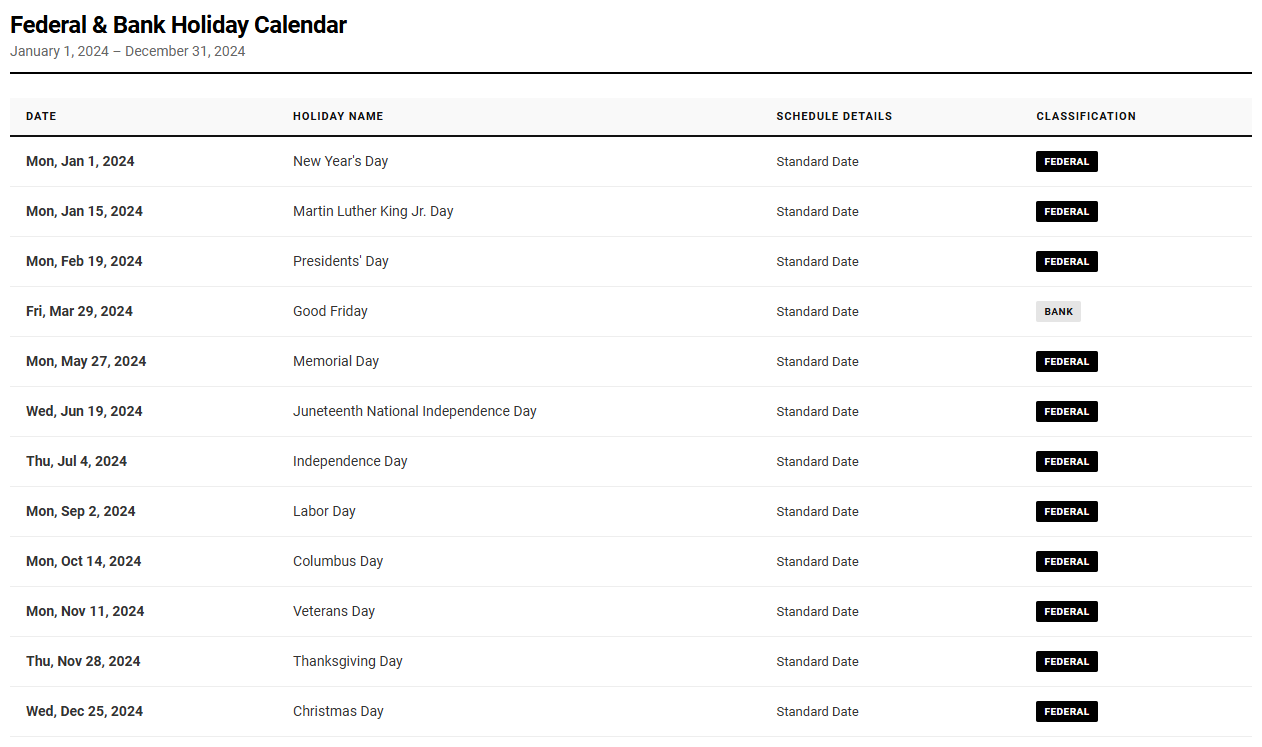
Note the stipulation that local board variations may occur. Using this tool to coordinate district-wide break periods serves as practical operational proof. Below, we review the best customizable templates.
Create Your Academic Calendar with School Holidays
Done customizing?
Academic Calendar with School Holidays - Good to Know
Academic year schedule
The academic year schedule serves as the foundational blueprint for students, parents, and educators alike. This master timeline outlines the entire structured journey of an educational institution, typically spanning from late summer to the subsequent early summer. It carefully balances instructional hours, state-mandated classroom days, and essential administrative windows. By defining clear benchmarks, it helps families plan long-term activities and align their personal routines with school operations.
This comprehensive roadmap details critical milestones such as registration deadlines, the first and last days of class, grading periods, and major examinations. Standard institutions design their schedules to optimize learning retention while preventing academic burnout. Understanding this overarching structure is crucial for seamless transitions and maintaining consistent progress throughout the educational journey.
District school calendar
A district school calendar coordinates the operational timelines across multiple regional campuses, ensuring system-wide synchronization. Local school boards establish these localized schedules to align primary and secondary institutions under a unified operational framework. This unified approach benefits communities by harmonizing transportation services, food programs, and extracurricular competitions.
Parents with children attending different grade levels within the same region rely heavily on this calendar to coordinate daily logistics. Key elements typically include:
- District-wide standardized testing windows.
- High school graduation ceremonies.
- Scheduled board of education public meetings.
Synchronizing these events ensures equitable resource distribution and efficient administrative management across all municipal campuses.
School holiday dates
School holiday dates provide essential breaks throughout the academic year, allowing students and staff time to rest, travel, and recharge. These scheduled closures typically coincide with major national, cultural, or religious observances. By integrating these designated breaks, educational systems acknowledge the importance of mental wellness and family celebration.
Common holidays observed globally or regionally include:
- Thanksgiving and winter festive closures
- New Year's Day and Martin Luther King Jr. Day
- Memorial Day and other federal observances
Planning family gatherings around these predefined dates prevents unnecessary student absenteeism and ensures children do not fall behind in their coursework.
Term dates
Term dates define the specific boundaries of active instruction, commonly divided into semesters, trimesters, or quarters. These divisions dictate when courses begin, when final grades are calculated, and when report cards are distributed to families. Each academic term represents a concentrated period of focused learning, containing its own curriculum goals and assessment milestones.
Educators utilize these fixed intervals to evaluate student progress and implement targeted interventions when necessary. For secondary and post-secondary students, tracking these dates is vital for managing course add/drop deadlines, credit accumulation, and preparing for cumulative examinations. Staying informed of these structural periods fosters sustained academic focus and timely goal achievement.
Professional development days
Professional development days are strategic dates set aside specifically for educator training, collaboration, and pedagogical advancement. While students enjoy a day off from classes, teachers and administrative staff engage in intensive workshops to improve instructional quality. These sessions often focus on modern educational technologies, updated curriculum standards, student mental health strategies, and equitable grading practices.
"Effective professional development empowers teachers to refine their craft, fostering a dynamic learning environment that adapts to the evolving needs of the modern student."
Continuous learning for educators directly translates to enhanced classroom experiences and improved student outcomes. These dedicated days ensure that schools remain centers of innovation and academic excellence.
Spring break schedule
The spring break schedule offers a highly anticipated mid-semester recess, usually occurring between late March and mid-April. This week-long pause serves as a vital transition point, separating the challenging winter instructional block from the final stretch of the school year. Students use this period for travel, outdoor recreation, or preparing for upcoming spring examinations.
For high school juniors and seniors, this break provides an ideal opportunity for college campus visits and preparing admissions applications. Administrators carefully coordinate this recess to prevent educational fatigue, ensuring that both educators and learners return with renewed focus and energy to successfully conclude the remaining school year.
Year-round school calendar
A year-round school calendar reorganizes the traditional academic timeline by distributing instructional days more evenly across twelve months. Rather than utilizing a single long summer vacation, this model features shorter, more frequent breaks throughout the year, often referred to as intersessions. Proponents of this modern scheduling approach highlight several distinct advantages:
- Reduction of summer learning loss, or the "summer slide."
- Consistent academic engagement and routine for children.
- Opportunities for remedial support during scheduled intersessions.
By maintaining a continuous cycle of learning and rest, year-round calendars aim to maximize knowledge retention and support overall academic achievement.
Digital school calendar sync
Implementing a digital school calendar sync is the modern solution for busy families trying to coordinate complex schedules. By integrating school calendars directly with personal devices via formats like .ics or Google Calendar, parents receive real-time updates regarding scheduling modifications. This instant synchronization ensures that urgent announcements, such as sudden weather closures or rescheduled athletic events, are immediately visible on mobile devices.
Using these dynamic digital tools eliminates reliance on paper flyers and reduces the risk of missing critical academic deadlines. Subscribing to automated school feeds allows households to streamline their daily planning, track parent-teacher conferences, and maintain cohesive communication with the local school district.
In-service days
In-service days are designated calendar dates where school facilities are closed to students to allow staff to complete essential administrative and operational tasks. During these sessions, school personnel focus on internal goals that cannot be easily managed during active instructional hours. Key activities conducted during these professional blocks include:
- Analyzing standardized student performance data.
- Collaborating on department-specific curriculum alignment.
- Completing mandatory safety and emergency response training.
These administrative windows are vital for maintaining the structural integrity of the school system, ensuring that educators are thoroughly prepared to deliver high-quality instruction upon the students' return.
Non-instructional days
Non-instructional days encompass all calendar dates when students do not receive formal classroom instruction, though the physical school infrastructure may remain partially operational. This broad category includes a combination of teacher preparation days, parent-teacher conference schedules, administrative organization periods, and regional civic holidays.
While these dates mean a pause in student attendance, they are vital for the behind-the-scenes management of the educational ecosystem. Proper planning around these non-instructional intervals allows families to secure alternative childcare arrangements and plan enrichment activities. These structured pauses ensure that the academic environment remains highly organized, thoroughly prepared, and deeply supportive of student success.
Leave a comment